
SELL A TENANTED PROPERTY OFF MARKET
Sell a Tenanted Property – Reach Serious Property Investors
Looking to sell a rental property with tenants in situ? We can help you explore a discreet sale through an established network of property investors who understand buy-to-let investments. There’s no need to wait for your tenants to leave, and your property won’t be advertised on Rightmove or Zoopla.
Sell With Tenants In Situ
Reach Property Investors
No Public Advertising
SELL YOUR PROPERTY OFF MARKET
Request a Property Valuation
Tell us a little about your property and we’ll arrange for a specialist property partner to discuss its potential value and your selling options.
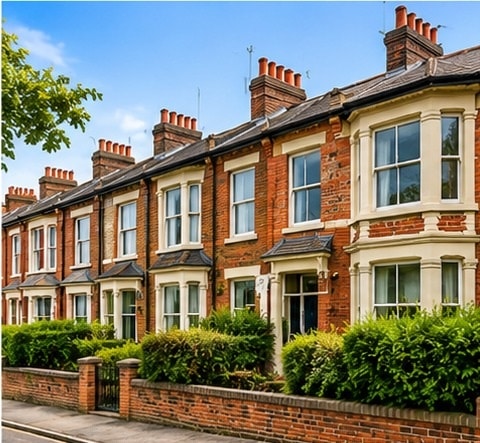
What Does ‘Tenants in Situ’ Mean?
A property sold with tenants in situ is purchased with the existing occupants remaining in the property, subject to their tenancy rights.
SELLING A RENTAL PROPERTY WITH TENANTS
Can You Sell a Property With Tenants Still Living There?
Yes. You can sell a rental property while your tenants remain in occupation. In fact, a tenanted property can be particularly attractive to investors looking for an established buy-to-let investment.
Rather than marketing the property to buyers who intend to live there, selling off market allows you to reach landlords and property investors who may be interested in purchasing a property with an existing tenancy and rental income.
This can be especially useful if you want to sell your investment without first seeking vacant possession, potentially avoiding a period without rental income while the property is marketed.
The existing tenancy and tenants’ legal rights must be respected throughout the sale. Where a property is sold with tenants in situ, the purchaser generally takes over the landlord’s responsibilities under the tenancy.
Selling a property with tenants in situ is sometimes referred to as selling with sitting tenants. Although the terms are often used interchangeably, the legal rights of the occupants will depend on the type of tenancy in place.
TYPES OF TENANTED PROPERTIES
What Types of Tenanted Properties Can You Sell?
From individual buy-to-let houses to larger rental portfolios, a wide range of tenanted properties can be suitable for off-market selling. We can help introduce your property to investors who understand the rental market and may be interested in purchasing with existing tenants in place.
Buy-to-Let Properties
Individual rental houses and flats can be sold with tenants in situ. These properties may appeal to investors looking for an established rental investment without having to find new tenants.
Houses in Multiple Occupation (HMOs)
HMOs let to multiple tenants, including student and professional accommodation, can attract specialist investors who understand shared housing, licensing requirements and rental yields.
Blocks of Flats
Whether you own a small converted building or a larger block of rental flats, we can explore opportunities with investors interested in properties generating income from multiple tenancies.
Property Portfolios
If you own several rental properties, you may be able to sell them together as a portfolio or consider selling individual properties. The most suitable approach will depend on your circumstances and investor demand.
THE BENEFITS FOR LANDLORDS
Why Sell a Tenanted Property to Property Investors?
Selling a tenanted property can present different challenges from selling a vacant home. By introducing your property to investors who understand the rental market, you may be able to avoid some of the complications associated with traditional estate agency marketing.
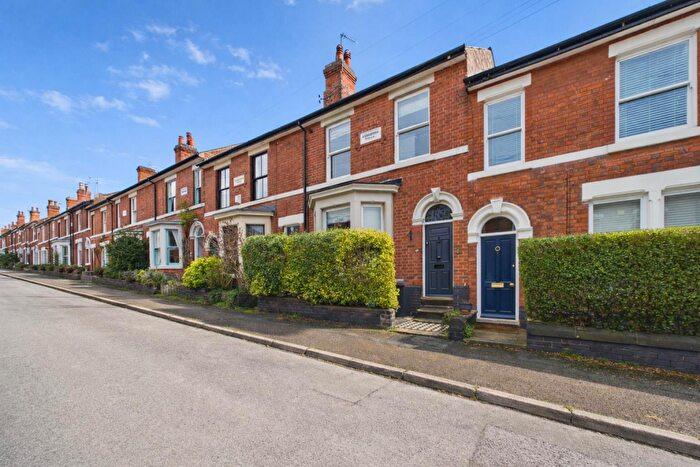
Sell With Tenants In Situ
Your tenants can remain in occupation while you explore a sale, removing the need to obtain vacant possession simply to market the property to investors.
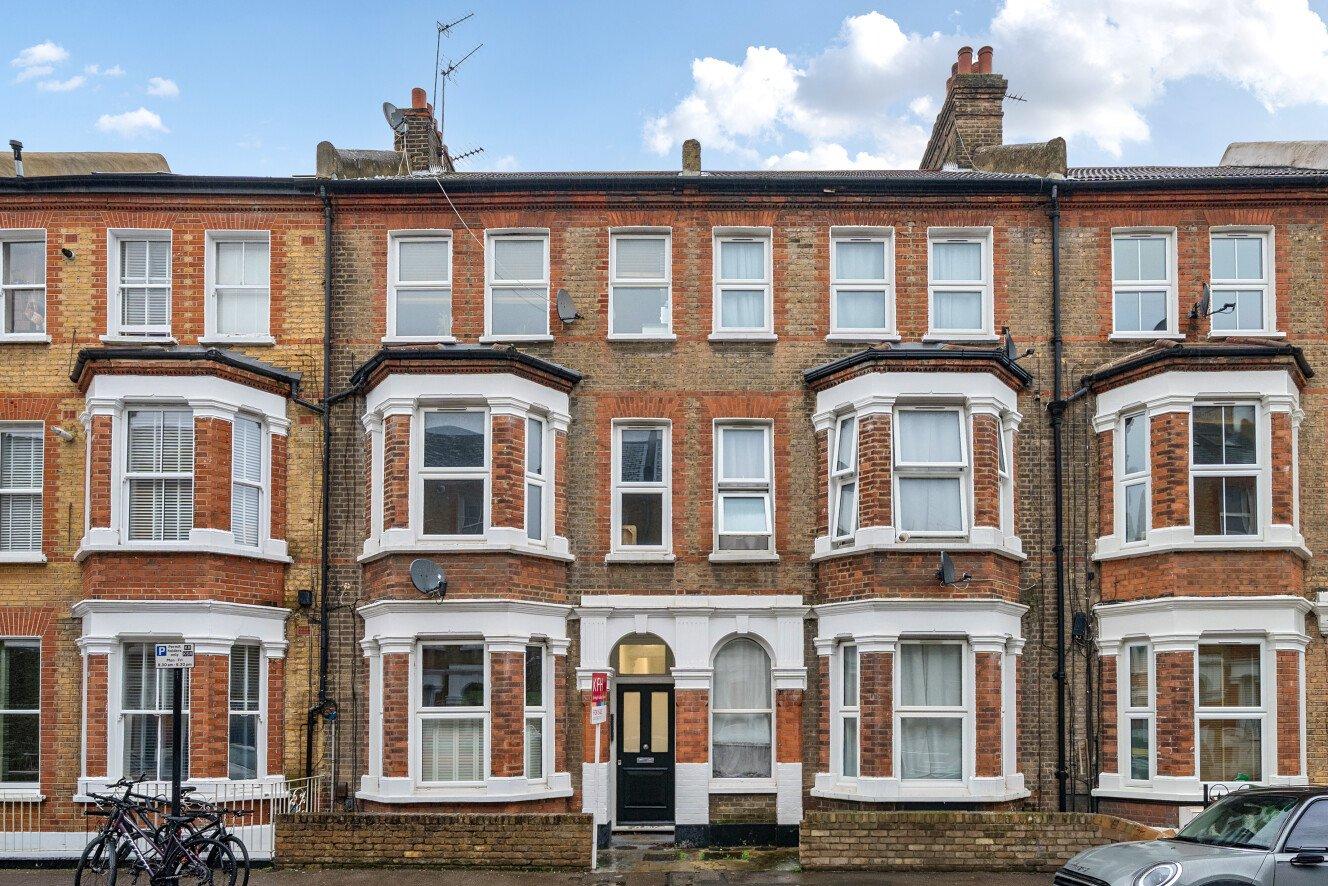
Maintain Rental Income
Keeping the existing tenancy in place may allow you to continue receiving rent during the selling process, subject to the tenancy arrangements.

Reach Experienced Landlords
Your property can be introduced to investors who are familiar with tenancies, rental yields and the responsibilities involved in owning buy-to-let property.

Discreet Property Marketing
Explore selling your rental property without publicly advertising it on Rightmove or Zoopla, which may be particularly appealing if you prefer a quieter approach.
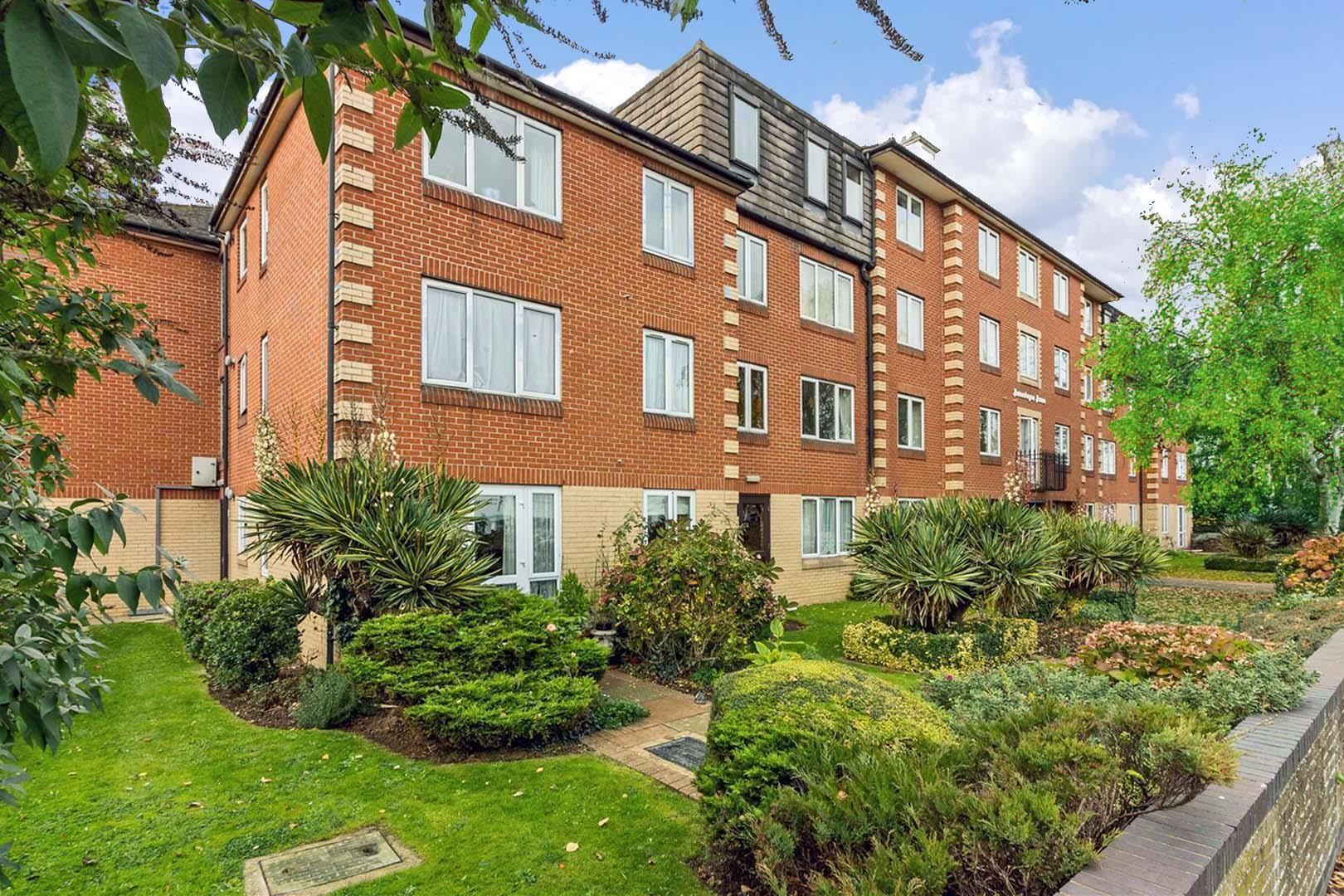
Existing Tenancy May Appeal to Buyers
An established tenancy and rental history can help investors assess the property’s income potential, although individual buyers will have their own requirements.
Consider Offers Without Obligation
Explore investor interest and review any offers before deciding whether to proceed, giving you greater control over your selling decision.
THE OFF-MARKET SELLING PROCESS
How Does Selling a Tenanted Property Off Market Work?
Selling a property off market follows many of the same legal steps as a traditional sale, but the way potential buyers are found is different. Here’s how the process typically works, from your initial enquiry through to completion.
Tell Us About Your Property
Complete our short enquiry form with details of your rental property, its location and the current tenancy arrangements. There’s no obligation to proceed.
Initial Property Assessment
Our specialist property partner reviews your property details, rental income and tenancy information to assess its potential appeal to investors and discuss a suitable selling approach.
Agree the Selling Approach
If you decide to proceed, the proposed asking price, marketing approach and any applicable fees or terms are discussed and agreed before your property is introduced to investors.
Introduce Your Property to Investors
Your property can be presented discreetly to suitable investors who understand buy-to-let investments and may be interested in purchasing with the existing tenants in place.
Consider Offers and Agree a Sale
Interested investors may submit offers based on the property’s condition, rental income and investment potential. You can consider the price and terms before deciding whether to accept.
Conveyancing and Completion
Once a sale is agreed, solicitors handle the legal process, including the relevant tenancy documentation and arrangements for transferring landlord responsibilities. Your specialist property partner helps progress the transaction towards completion.
What Happens to the Tenants?
Selling a property with tenants in situ does not automatically end their tenancy. The buyer generally becomes the new landlord on completion, taking over the relevant rights and responsibilities. Tenancy documents, deposit protection information and other relevant records will need to be dealt with during conveyancing.
UNDERSTANDING TENANTED PROPERTY VALUES
What Price Can You Achieve When Selling a Tenanted Property?
The price you can achieve for a tenanted property depends on several factors, including its location, condition, rental income and demand from investors.
Having tenants in place doesn’t automatically mean your property is worth less. For some buyers, an established tenancy and reliable rental income can make a property particularly attractive.
Rental Income and Yield
Investors often assess rental properties by looking at the income they generate relative to the purchase price. A property with a strong rental yield and a reliable payment history may attract greater interest from buy-to-let investors.
Property Condition and Location
The property’s condition, location and potential maintenance costs remain important considerations. Investors will also look at local rental demand, comparable property sales and opportunities for future improvements.
Existing Tenancy Arrangements
The type of tenancy, current rent, payment history and supporting documentation can all influence investor interest. A well-managed property with clear tenancy records may be more straightforward for a prospective landlord to assess.
Investor Demand and Selling Method
Specialist rental properties may attract similar buyers whether sold off market, through an estate agent or at auction. The price achieved will depend on the property and the level of competition between interested buyers.

In Summary
A tenanted property can represent an attractive investment, particularly where it offers an established rental income. The key is reaching buyers who understand its investment potential and are comfortable purchasing with tenants in situ.
YOUR SELLING OPTIONS
Selling With Tenants In Situ vs Selling With Vacant Possession
If you’re considering selling a rental property, one important decision is whether to sell with your tenants remaining in occupation or wait until the property becomes vacant. Both approaches have advantages, depending on your circumstances and the type of buyer you’re hoping to attract.
Selling With Tenants In Situ
May allow you to continue receiving rental income while the sale progresses.
Can appeal to experienced landlords seeking an established rental investment.
Avoids the need to obtain vacant possession before marketing to investors.
May reduce the risk of an empty property and associated holding costs.
Allows existing tenants to remain in their home when the property changes ownership.
Can be particularly suitable for buy-to-lets, HMOs and other investment properties.
Selling With Vacant Possession
May appeal to a wider range of buyers, including owner-occupiers.
Could achieve a higher selling price where there is strong demand from residential buyers.
Allows buyers who intend to occupy the property to move in after completion.
Can make property viewings and preparation for marketing easier once the property is vacant.
May offer greater flexibility for refurbishment or improvements before selling.
Which Option Is Right for You?
Selling with tenants in situ can be an attractive option if you want to maintain rental income and reach investors without first obtaining vacant possession. However, selling an empty property may provide access to a broader market.
The right approach depends on your property, tenancy arrangements, timescales and priorities. Any plans to obtain vacant possession must follow the applicable tenancy laws and your tenants’ legal rights.
COMMON QUESTIONS FROM LANDLORDS
Frequently Asked Questions About Selling a Tenanted Property
Thinking about selling your rental property with tenants still living there? Here are answers to some of the most common questions landlords ask about selling with tenants in situ.
EXPLORE YOUR SELLING OPTIONS
Thinking About Selling Your Tenanted Property?
Whether you own a single buy-to-let, an HMO or a portfolio of rental properties, we can help you explore selling to experienced property investors with your tenants remaining in place.
Tell us a little about your property and we’ll explain the next steps. There’s no obligation to proceed.
No obligation to sell. Your enquiry will be treated confidentially.