
SELL PROPERTY WITH DEVELOPMENT POTENTIAL OFF MARKET
Sell a Property With Development Potential – Reach Property Developers and Investors
Own a property or parcel of land that could have development potential? We can help you explore a discreet sale to experienced property developers and investors interested in opportunities to create additional value.
Whether you own land, a building suitable for conversion or a property with potential for redevelopment, you can explore buyer interest without advertising on Rightmove or Zoopla.
Development Buyers
Planning Potential
Discreet Sales
SELL YOUR PROPERTY OFF MARKET
Request a Property Valuation
Tell us a little about your property and we’ll arrange for a specialist property partner to discuss its potential value and your selling options.

What Is a Development Opportunity?
A development opportunity is land or property that may have potential for new construction, conversion, extension, subdivision or redevelopment. Its suitability depends on planning policy, site constraints, financial viability and other considerations.
UNLOCKING PROPERTY DEVELOPMENT POTENTIAL
Can You Sell a Property With Development Potential Off Market?
Yes. Properties and land with development potential can be sold privately to developers and investors without being advertised on the major property portals. This may be particularly attractive where a property’s potential extends beyond its current use.
Find out more about selling your property off market and the options available to property owners.
A development opportunity might involve building additional homes, converting an existing property, redeveloping an underused site or exploring a different use for a building, subject to the necessary permissions.
Some opportunities already benefit from planning permission, while others are sold based on their potential for future development. Different buyers have different requirements and attitudes towards planning risk.
You don’t necessarily need to prepare architectural drawings, submit a planning application or carry out development work yourself before exploring a sale. However, the information available about the site and its potential can influence buyer interest and value.
At Investor Property, we help connect property and landowners with an established network of investors, including buyers interested in suitable development opportunities across the UK.
TYPES OF DEVELOPMENT OPPORTUNITIES
What Types of Development Opportunities Can You Sell?
Development opportunities come in many forms, from small residential plots to existing buildings with conversion potential. We can help explore investor interest in a range of property and land opportunities.
Residential Development Land
Plots of land that may be suitable for building one or more homes can appeal to developers seeking residential development opportunities, whether planning permission is already in place or remains to be explored.
Properties With Conversion Potential
Larger houses, former commercial buildings and other suitable properties may offer opportunities for conversion into flats, houses or alternative uses, subject to planning and building regulations.
Redevelopment Opportunities
Older buildings, redundant premises and underused sites may interest developers considering demolition, replacement buildings or more intensive use of the land.
Properties With Additional Land
Homes with substantial gardens, adjoining land or underused areas may offer potential for additional dwellings or separate building plots, depending on access, planning policy and other constraints.
THE BENEFITS FOR PROPERTY AND LANDOWNERS
Why Sell a Development Opportunity to Investors?
Selling land or property with development potential can involve different considerations from a conventional house sale. Introducing an opportunity to experienced developers may help you explore its potential value and alternative selling arrangements.
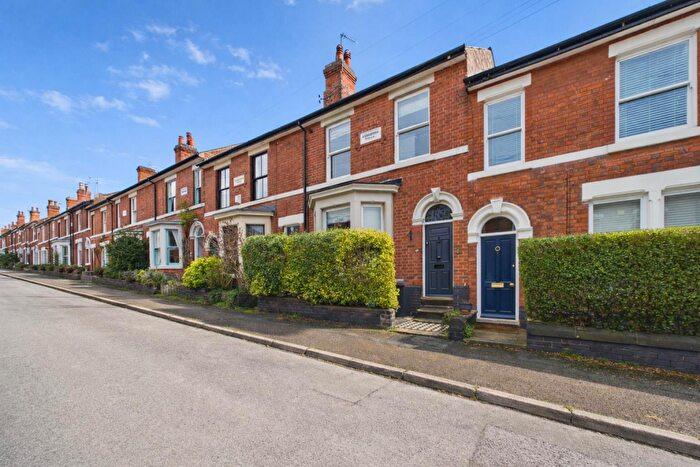
Reach Specialist Developers
Your opportunity can be introduced to buyers interested in land acquisition, conversions, redevelopment and residential development projects.
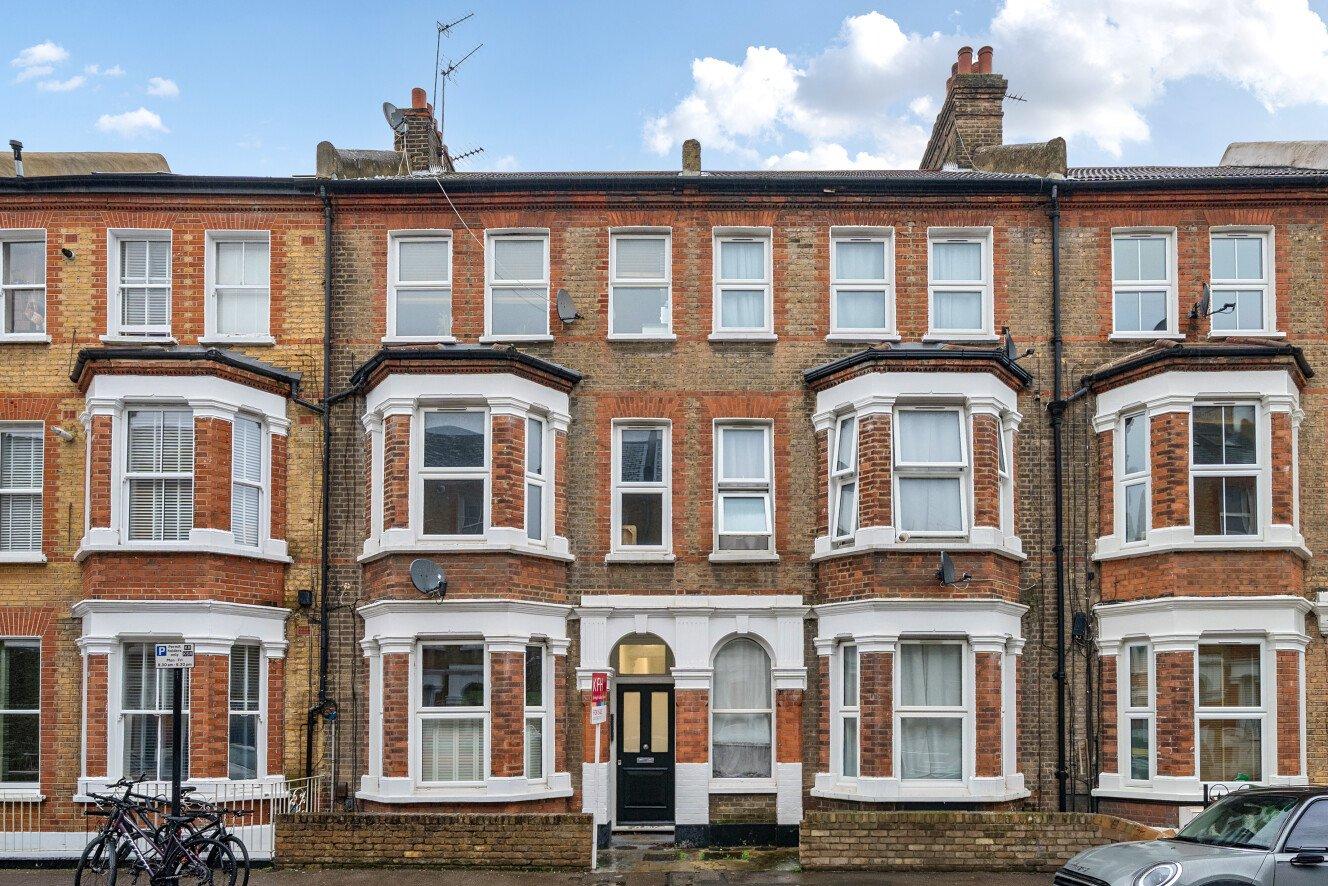
Explore Development Value
A developer may assess the potential of a site beyond the value of its existing buildings or current use, although development potential does not automatically mean a higher offer.

No Need to Develop It Yourself
You may be able to sell without taking on the cost, time and responsibility of preparing plans, securing permissions or undertaking construction work.
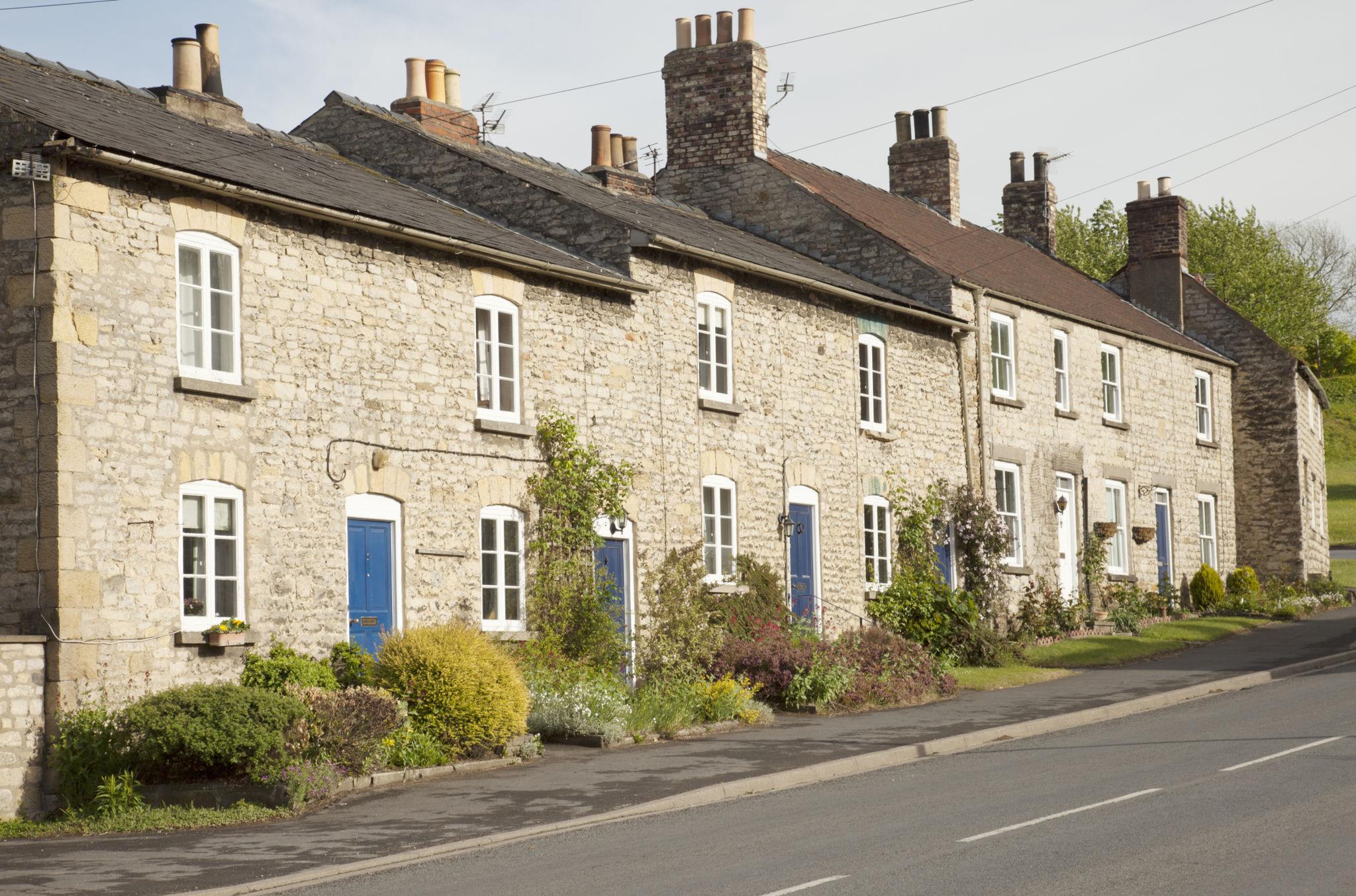
Consider Different Sale Structures
Depending on the opportunity and buyer interest, you may be able to explore an outright sale or a conditional arrangement linked to obtaining planning permission.
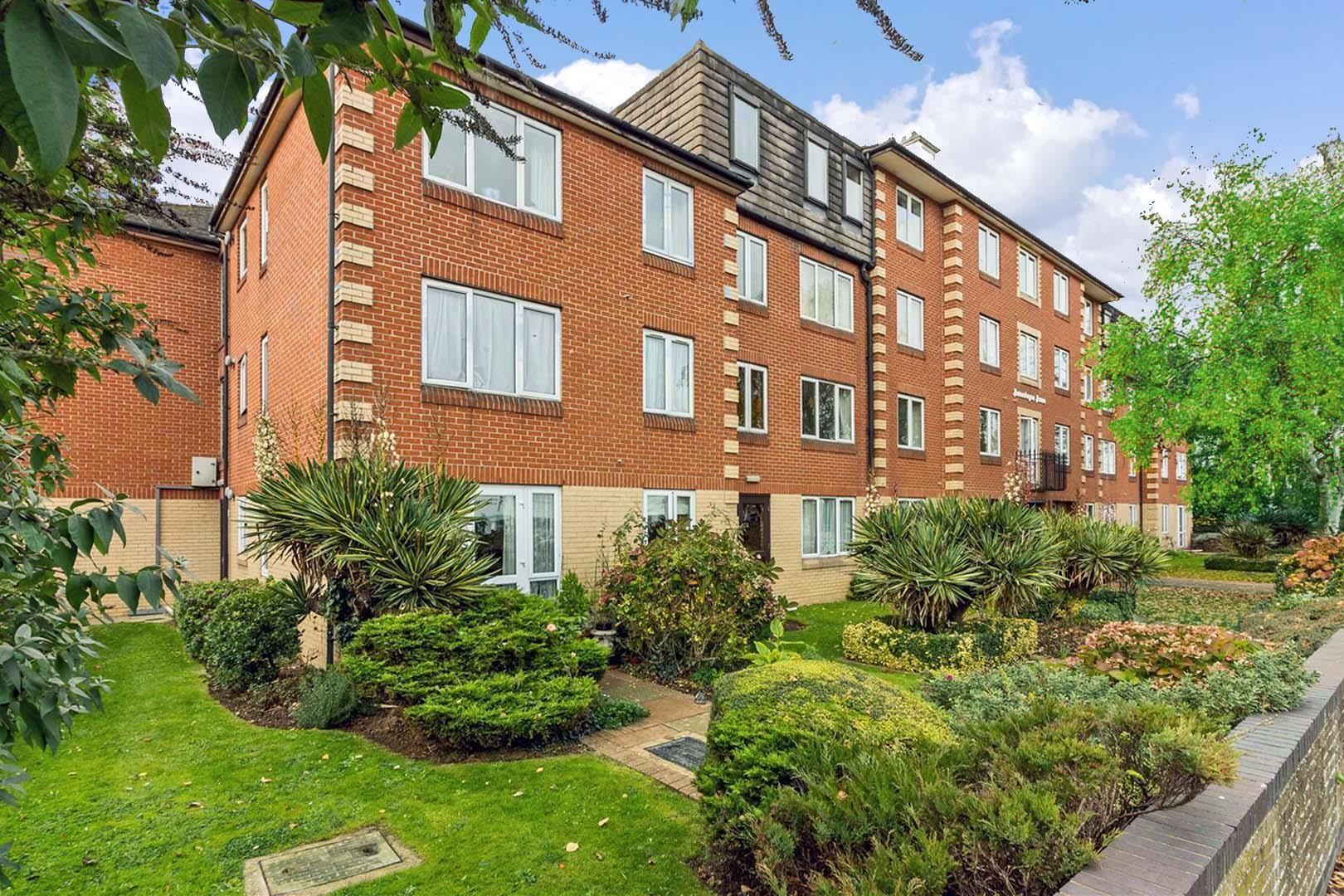
Avoid Public Advertising
Explore interest from suitable developers privately without immediately placing your property or land on the major property portals.
Consider Offers Without Obligation
Discuss potential buyer interest, proposed prices and sale terms before deciding whether to proceed with a transaction.
THE DEVELOPMENT PROPERTY SELLING PROCESS
How Does Selling a Development Opportunity Off Market Work?
Selling land or property with development potential can involve additional considerations relating to planning, access, ownership, site constraints and development viability.
The process will depend on the type of opportunity, the information available and whether a buyer is prepared to purchase outright or requires conditions to be satisfied.
Our guide to how selling property off market works explains the wider process in more detail.
Tell Us About Your Property or Land
Complete our enquiry form with the property’s location, approximate site size, current use and any known planning history. If you have drawings, plans or planning documents, these may be useful, but they aren’t essential for an initial enquiry.
Initial Development Assessment
Our specialist property partner reviews the available information and considers whether the property or land may be suitable for introduction to developers or investors.
Discuss the Selling Approach
If there is potential buyer interest, the proposed selling approach, indicative pricing and any applicable fees or terms can be discussed. This may include whether an outright or conditional sale is appropriate.
Introduce the Opportunity to Developers
The property or land can be presented privately to suitable buyers. Developers may consider planning prospects, access, infrastructure, site constraints, development costs and potential end values.
Consider Offers and Sale Terms
Interested buyers may propose an outright purchase or an agreement subject to planning or other conditions. You can review the price, proposed timescales, conditions and obligations before deciding whether to proceed.
Legal Work and Completion
Once the principal terms are agreed, solicitors handle the legal process. More complex arrangements, particularly conditional contracts or option agreements, may require specialist legal advice and additional time before completion.
Do You Need Planning Permission Before Selling?
Not necessarily. Some developers are interested in opportunities without planning permission, particularly where they believe there is a realistic prospect of obtaining consent.
However, land with an established planning permission may appeal to a different range of buyers and command a different price from land where development remains speculative.
UNDERSTANDING DEVELOPMENT LAND AND PROPERTY VALUES
What Determines the Value of a Development Opportunity?
Development opportunities are often assessed differently from conventional residential properties. Buyers may consider what could potentially be built or converted, the cost of achieving that outcome and the risks involved.
The value of a site will depend on its location, planning position, physical characteristics and the financial viability of any proposed development.
For a more detailed explanation, read our guide to how property investors value property.
Planning Status and Development Potential
Existing planning permissions, previous applications, local planning policy and the likelihood of obtaining consent can significantly influence buyer interest and potential value.
Site Size, Access and Constraints
The size and shape of the land, vehicle access, neighbouring properties, utilities, drainage and environmental restrictions can all affect what may be achievable.
Development Costs and Viability
Developers consider construction costs, professional fees, infrastructure requirements, finance, planning obligations and other expenditure when assessing a potential purchase.
Potential End Value
The anticipated value of completed homes or converted units can influence what a developer is prepared to pay, after allowing for costs, risk and an appropriate development return.

In Summary
Development value is not determined by land size alone. Planning prospects, access, site constraints, construction costs and the potential value of the completed development all influence what buyers may be prepared to offer.
YOUR DEVELOPMENT SELLING OPTIONS
Selling With Planning Permission vs Selling Without Planning Permission
One of the biggest decisions facing owners of potential development sites is whether to explore a sale in their current planning position or pursue planning permission before selling.
Both approaches have advantages, and the most suitable option depends on the property, the likely costs and the owner’s circumstances.
Selling Without Planning Permission
Allows you to explore a sale without first preparing and submitting a planning application.
Avoids the initial cost of planning consultants, architects and associated professional services.
May appeal to developers willing to assess and pursue planning opportunities themselves.
Could provide an alternative where you don’t want to manage the planning process.
May involve lower offers because the purchaser is taking on greater planning uncertainty.
Some buyers may propose a conditional contract or option rather than an immediate unconditional purchase.
Selling With Planning Permission
Provides greater clarity about the development that has been approved.
May appeal to developers seeking opportunities with reduced planning uncertainty.
Could support a higher selling price where permission establishes viable development potential.
Requires investment in plans, applications and potentially specialist reports.
Involves planning timescales and the possibility of refusal or restrictive conditions.
Does not guarantee that the additional sale value will outweigh the cost and time involved in obtaining permission.
Which Approach Is Right for You?
Selling without planning permission may appeal if you want to avoid upfront planning costs and the time involved in pursuing consent, or prefer to let an experienced developer investigate the opportunity.
Obtaining planning permission before selling may be worthwhile where the prospects are strong and the potential increase in value justifies the investment.
For some sites, a conditional contract or option agreement may offer another route, allowing a developer time to pursue planning permission before a purchase is completed. These arrangements require careful legal advice, particularly around deadlines, price calculations and the owner’s obligations.
If you’re considering the best way to market your property, our guide to off-market selling versus traditional estate agents
COMMON QUESTIONS ABOUT DEVELOPMENT OPPORTUNITIES
Frequently Asked Questions About Selling Property With Development Potential
Considering selling land or a property with potential for development? Here are answers to some common questions about planning permission, developer interest and selling off market.
EXPLORE YOUR DEVELOPMENT SELLING OPTIONS
Thinking About Selling Land or Property With Development Potential?
Whether you own a possible building plot, a property suitable for conversion or a larger redevelopment opportunity, we can help you explore interest from experienced property developers and investors.
Tell us a little about your property or land and we’ll explain the next steps. There’s no obligation to proceed.
No obligation to sell. Your enquiry will be treated confidentially.